
Introduction
Thinking about getting into weaving? Or have you already dipped your toe into this craft and are looking to get your first loom, but not sure what loom would be best for you?
All looms use the same technique of crossing vertical weft threads through horizontal warp threads, but the loom you need for small wall hangings is very different from one needed for large rugs or fabric. No matter which type you use, every loom is optimized for a specific purpose! The different types of looms you find in this guide will help you pick which one matches your style and what you want to make. Keep in mind that, depending on how varied your projects will be, there may not be one loom that can do everything you want it to do.
Before we can dive into the common types of looms you will see on our website, there is a very important question you need to answer first: What are you weaving?
The types of textiles that you can create on a loom are vast and varied and because of this looms have evolved over time to be optimized for the creation of specific cloths. While many looms are versatile enough that they can weave many types of fabrics, this is not a hard and fast truth and there are types of looms that are designed with a specific use in mind. To dive into this a little further lets consider some common textile types that most hobby weavers will be weaving, and what qualities a loom might have to optimize weaving these objects.
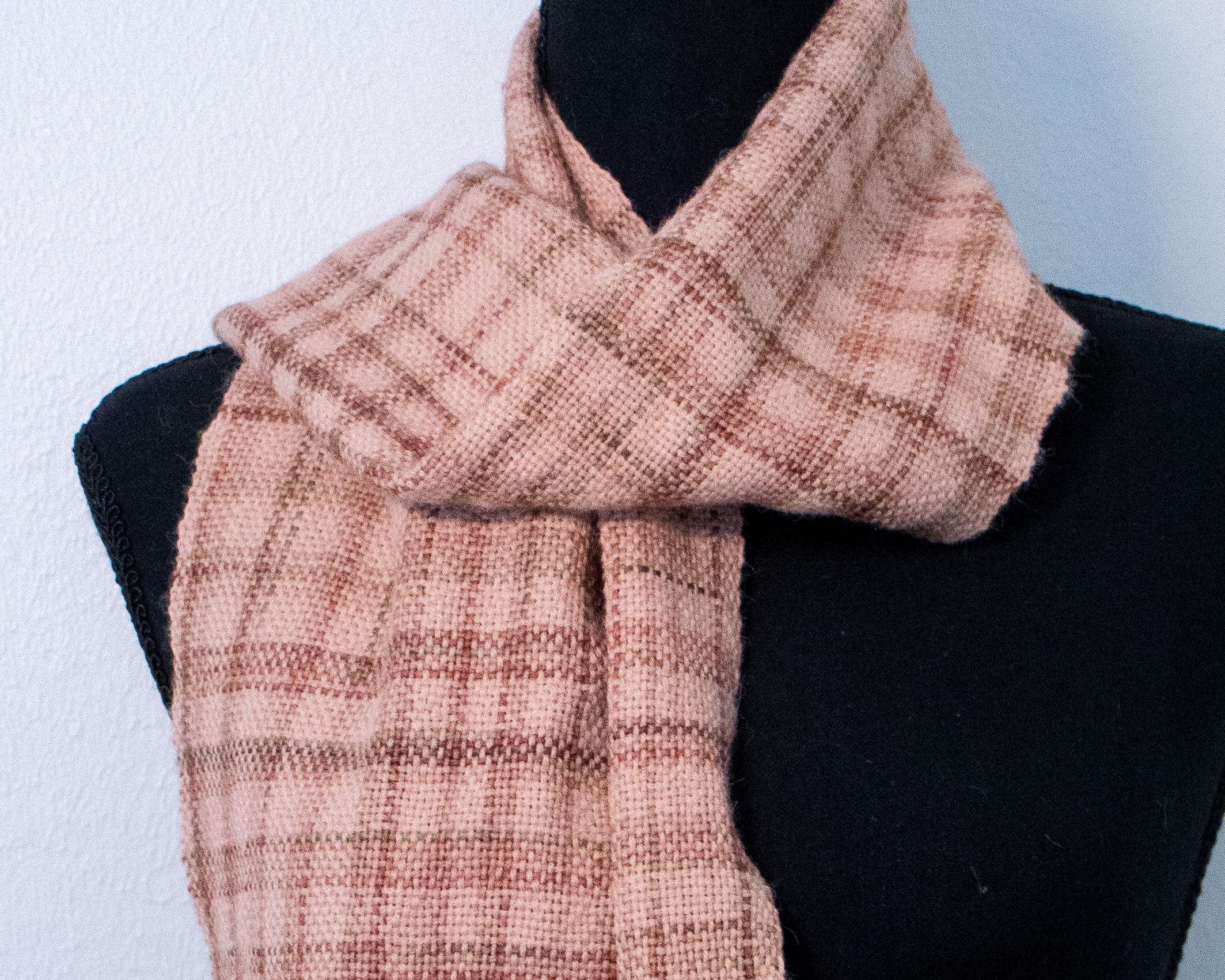
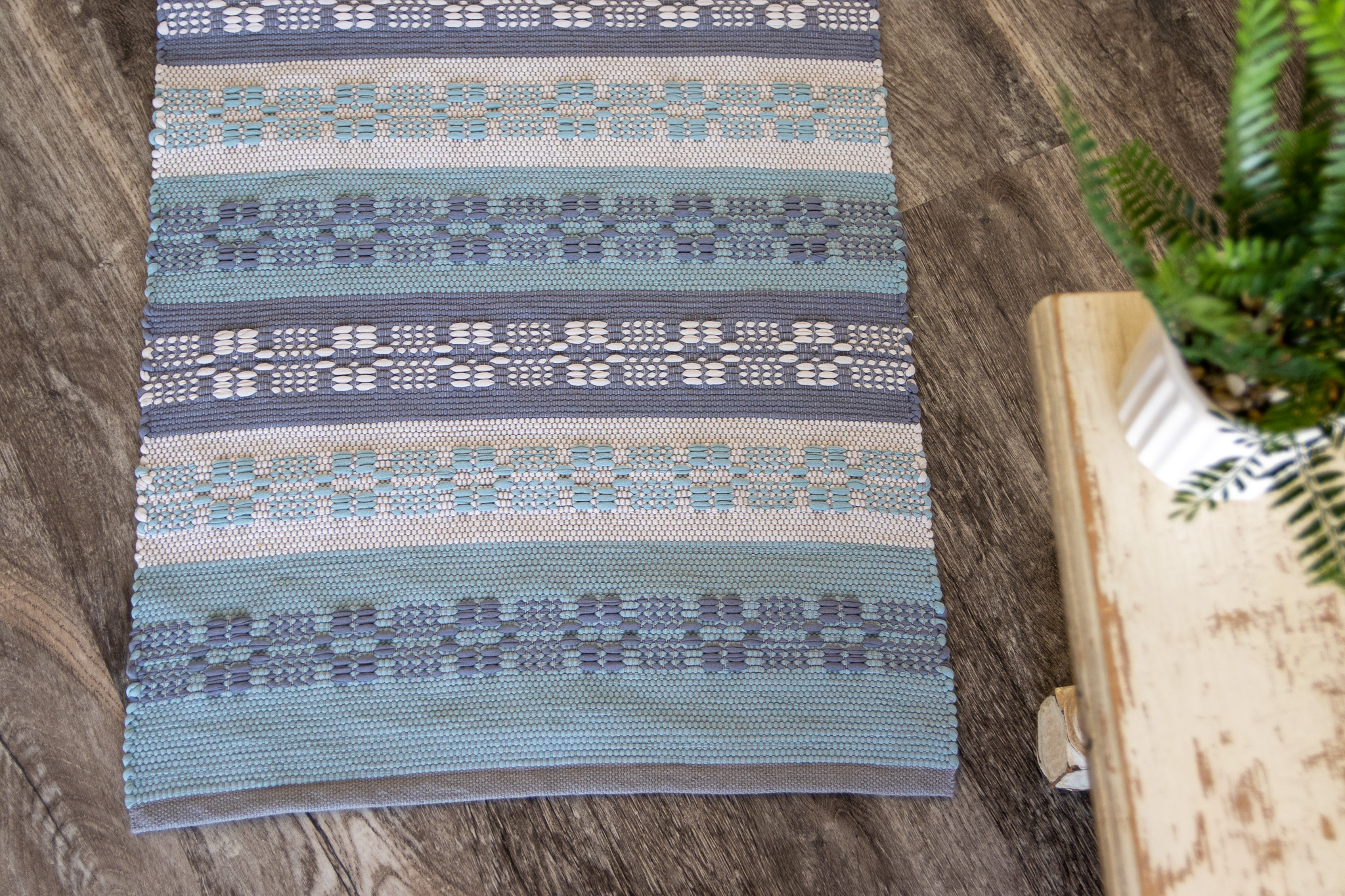
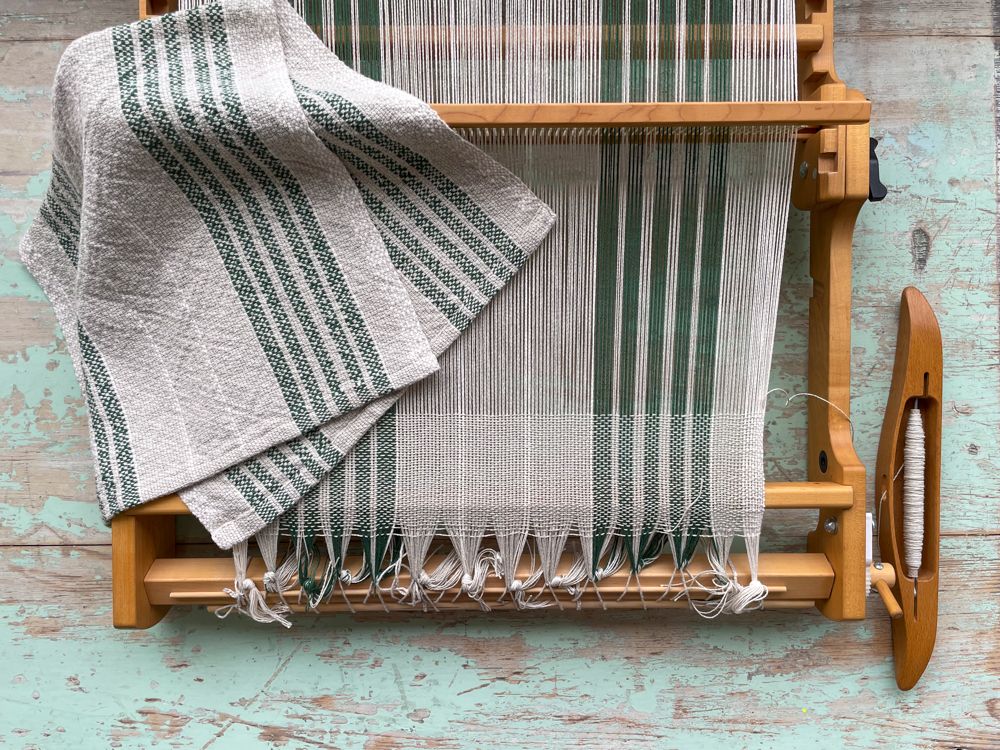
- Wearables - Weavers are crazy for wearables! Most “no cut” wearable garments can be woven on fairly narrow looms and there is no particular need for these fabrics to be woven under high tension, so you’ll find that most looms (aside from those that are designed to only weave one thing) will do the job!
- Belts and Bands - Belts and bands, due to their narrow size, have optimized looms that are designed with ease in mind! These are tiny textiles, so larger looms are a bit overkill, even if they’re capable of weaving them. A good designated band weaving loom will typically be made of a simple, sturdy frame, and a series of firmly mounted pegs.
- Linens - Linens, such as table runners, placemats and hand towels, are typically woven in multiples. Because of this, it’s not just the width of the loom that needs to be considered but also how long of a warp (and how thick or thin a yarn) a loom can tolerate. Many hobbyists who weave simple linens in small quantities will find that their loom options are fairly broad- but if you are weaving more than just a few, or if you want to work in particularly fine yarns, you’ll find that your options will narrow.
- Yardage - Many weavers who also dabble in sewing will express interest in weaving yardage for sewing garments. You will need to consider what kind of fabrics you are interested in working with, and how wide and long your yardage will need to be. Does the yardage need to be woven quickly and efficiently? How fine of a yarn will you be using? These are all decisions that will factor into what loom will suit your needs.
- Tapestries - In modern weaving, “tapestry” has become an umbrella term for a multitude of weaving styles that typically describe a wall hanging. On a technical level, “tapestry” implies that the fabric is densely weft faced, creating a stiff textile that can be used for any number of applications. Tapestry can be woven on almost any style of loom, so the biggest factor in finding the right one will depend not only on the size of the project, but also the scale at which you need to produce them. To prevent a floppy fabric tapestry is typically woven under high tension, so having a sturdy loom is ideal.
- Rugs - Rugs come in all shapes and sizes and there isn’t necessarily one particular loom that one should use to weave one. However, a durable, long lasting rug will need to be woven under very high amounts of tension so an ideal rug weaving loom should have a large, sturdy frame and should have minimal hinged beams. High tension can also make pressing treadles a chore, so many rug weavers will choose a loom that functions on a pulley system, rather than one that functions on jacks.
Types of Weaving Looms
As mentioned earlier, looms have evolved over time to become optimized for certain applications. While many looms are more than capable of weaving many different types of textiles, you should consider how quickly you would like these textiles to be woven as some looms may be more suited to your task.
Inkle and Band Looms
The inkle loom is a small and easy-to-carry loom made specifically to weave narrow, warp-faced bands which can be used for many applications like belts, bag handles, guitar straps, shoestrings, and more. A warp faced fabric is one where the warp threads are packed in close together and cover the weft entirely. This weave structure results in a textile that does not stretch along the warp direction, making them perfect for the purposes listed earlier. No one wants a belt that stretches over time!
An inkle loom is limited in what it can weave based on the number of pegs it has, and by how long those pegs are. Before choosing an inkle loom consider how long of a belt you want to make, and how wide those belts need to be. Check in the description for the capabilities of each loom, as they will differ by model and manufacturer.
Band looms are less common, and do not feature a system of pegs which the warp is wound onto. Instead, they usually have a warp beam onto which you can wind a very long warp, and either a cloth beam on the front (to wind finished belts onto) or a clamp which can be released and tightened when you need to advance your warp. Either a band weaving heddle or set of weaving cards is suspended in the center to create the shed. Both types of looms are capable of weaving both simple and highly complex belts with appropriate accessories.


Frame & Tapestry Looms
Frame looms and tapestry looms are designed with weft faced weaving in mind. In weft faced weaving, the warp threads are completely covered by the weft, which creates a stiff fabric that you can turn into everything from rugs, to wall hangings, to wearables.
Frame looms have a fixed size and warp sett, meaning your projects can only be as large as the loom and as complex in design as the warp sett will allow. They are limiting for most applications, but are inexpensive enough that they’re a great tool for younger children, and any weaver who isn’t ready to invest in expensive equipment or just wants to dip a toe in. They are easy to warp, easy to weave on, and no experience is required!
Tapestry looms are a unique type of frame loom that are designed for weaving detailed images and designs. They come in all kinds of shapes and sizes depending on your needs- they can be as small as a few inches wide and sometimes big enough to fill a room! Tapestry looms are typically a larger investment over frame looms as they usually have some variety of shed making device to make weaving more expeditious. They also typically allow the weaver the freedom to adjust the warp sett and overall dimensions of their project, neither of which a frame loom can offer. These types of looms are not optimized for linens, wearables, yardage, or bands.


Rigid Heddle Looms
A rigid heddle loom is named such because the heddle, which creates a shed and beats your weft, is made from a rigid piece of plastic or wood. The heddle is raised or lowered in order to create two opposing sheds, which when alternated will create a simple plain weave fabric. They are relatively inexpensive, and are a great option for weavers who do not have large amounts of space. A rigid heddle loom with one heddle in use acts just like a 2 shaft floor loom, but with additional heddles and accessories you’d be amazed at the complexity of patterns that can be created! Rigid heddle looms come in all shapes and sizes. The Woolery offers width options ranging from 8” to 48”.
The pros of a rigid heddle loom is that they are fast to set up, easy to master, and most importantly they are capable of weaving a wide range of textiles, primarily linens and wearables! The trade-off is that they are not conducive to fast weaving once the loom is warped, and the more advanced the pattern you want to create the more complex the set-up becomes. They are also not intended to handle long warps (more than 4-5 yards) or very fine yarns, so they would not be ideal for anyone who wants to quickly weave complex patterns or many multiples of things on one warp. They are, however, easy to adapt for use in band weaving and tapestry.


Table Looms
Table looms shine in their portability and smaller footprint. They are an excellent choice for weavers with limited space or for those who want to take their loom to workshops, but one should keep in mind that they still have a significant heft. They are easy to transport by size alone, but they are not guaranteed to be a one-person lift!
While operating the levers by hand is slower than using treadles, table looms provide the similar pattern-making capabilities as floor looms as they have shafts that can be raised in This makes them a great way to learn more complex weaving without committing to a large piece of equipment. They are also an ideal tool for any weaver who wants to weave complex fabrics who does not have the ability to treadle a loom.
Like a rigid heddle loom, these looms are not typically designed with long warps in mind. However, they are much more capable of handling much smaller threads than a rigid heddle loom can! Some brands also offer optional accessories like stands and treadle attachments. Make sure to check what options are available for the loom you are considering!


Floor Looms
The main advantage of a floor loom is speed and efficiency. Because your feet manage the treadles to change the sheds, your hands are free to focus entirely on throwing the shuttle and beating the weft. Floor looms are capable of weaving a wide variety of fabric types in much larger quantities than a rigid heddle or table loom, so most weavers who dabble in multiple types of weaving will find their needs met by a floor loom.
Mechanically speaking there are 3 types of floor looms, which are unique in how they raise and/or lower the warp threads. A rising shed means that the relevant pattern threads are raised upward and the inactive threads are left neutral. A sinking shed loom is the opposite, where pattern threads are lowered and inactive warp threads left neutral.
- Jack looms: Jack looms create a shed by either raising OR lowering the shafts that are tied-up. The shafts all act individually, so there are no limitations to what combinations of shafts you engage during the weaving process. Jack looms are very easy to set up to weave, and are a fan favorite amongst most hobby weavers for their usability and versatility in what textiles they can produce. Because only some of the warp threads are engaged when you treadle, these looms can be very difficult to treadle if under extreme tension, like you would use to weave rugs. Because of this, many rug weavers will forego a jack loom even if it is sturdily constructed enough to tolerate the tension.
- Counterbalance looms: A counterbalance loom both raises and lowers the warp threads. All of the shafts are connected by PAIRED pulleys or roller bars in such a way that whatever shafts are raised, the opposite are lowered. Because they are paired this really only works well in even numbers, so for weave structures like 3/1 twill (where 3 shafts are raised and 1 would be lowered) these looms tend not to create good sheds. It’s not impossible to weave these structures on a counterbalance, but it may not be an enjoyable experience. Because all warp threads are kept under even amounts of tension when treadled, these looms tend to be very easy to manipulate! They are a great option for weavers with hip or knee pain, and those who are designated rug weavers.
- Countermarche looms combine the rising/sinking action of the counterbalance with the flexibility of a jack loom. Unlike a counterbalance loom the pulleys on a countermarche are not paired, which means you can select any combination of shafts to manipulate without sacrificing the generous shed the loom creates. Aside from this, they are quite similar to counterbalance looms in how they feel to weave on, and what types of textiles they can create.


Electronic and mechanical looms
A dobby loom is a type of loom that, with the use of pre-programmed attachments, will allow the weaver to weave complex patterns without having to keep track of a treadling sequence. They can be either jack or countermarche style depending on the manufacturer, and can be designed as either floor looms or table looms. They are a significant expense over traditional floor looms, sometimes 4-5 times what the average hobbyist floor loom costs.
A mechanical dobby uses a linked chain called a lag, which represents one pick in treadle in the sequence. If a pattern treadling sequence is 40 picks long that means that the chain will need 40 lags- even if some of those picks are repeat tie-ups! To take it one step further, a computerized dobby loom uses specially designed programs


How to Choose the Best Weaving Loom for You
Step 1: Decide Your Weaving Goals & What You'll Want to Weave
Knowing what you want to produce is vital to choosing the right loom for you. Again, keep in mind that there may not be one loom that does everything your heart desires to weave! Make a list of your priorities including the width of projects and lengths of projects you want to weave, and remember that woven items will shrink in both directions! Think about how long you are willing to work on any one project- are you a processes driven individual or a results driven individual? If you anticipate that you will get bored with simple weave structures, consider if purchasing a more complex loom on the outset would be worth the extra expense. Don’t just think about what you want to weave now- also consider what you’ll want to weave later on!
Step 2: Consider Size, Portability, and Space
Be honest about how much space you have for your loom. A loom doesn't need to be able to just fit in a room, you also need to be able to comfortably walk around it! If your space is small, it’s good to look for a loom that can move or be stored when not in use. Table looms and rigid heddle looms are great options for people without a lot of space, but keep in mind that some floor looms can fold too! If portability is a concern, take some measurements! How much weight can you comfortably lift alone? How wide and deep is your trunk?
You should also consider the size of YOU! The average adult will have an armspan no wider than they are tall, which means your ability to comfortably throw and catch a shuttle will contribute significantly to how wide of a warp you can weave without assistance. You should also consider your height. Folding “X frame” looms like the Schacht Wolf looms or the Leclerc Compact sit very low to the ground so a particularly tall weaver might not be able to squeeze under one. Likewise, a particularly short weaver might not be able to reach front hinged treadles on a larger loom.
Step 3: Consider Budget
Sticking to a budget is always wise, but it is also worth keeping in mind that looms do not retain their re-sale value by virtue of being relatively new. If you have a dream loom in mind but settle for a less expensive one because it's closer to your immediately available budget, you will not get the return on investment if you decide later that you want to sell that loom and buy a more expensive one. You will likely spend more money purchasing equipment that doesn't suit your needs than you will if you buy the right loom on the first try!
In the same vein of discussion, do not assume that the most expensive loom is the best one simply because it's the most expensive. A Compu-dobby is equally worthless to someone who cannot manage the computer program that controls it as a frame loom is to someone who wants to weave hand towels using a 16 shaft pattern!
Step 4: See Looms in Person
Reading about weaving looms is good, but nothing beats sitting down and trying one out if you're able to. The weaving loom that seems perfect when you read about it may not feel good when you use it. The Woolery is open from 12-5 pm on Fridays for customers to test drive our floor models. Exploring different looms will help you see their true size and to compare different looms to find the right one for you. The choice is personal, and you will know what works for you only when you test the weaving loom yourself.
Conclusion
Choosing a weaving loom can be a fun and rewarding experience in your craft journey. Learning about the types of looms and knowing your own weaving goals will help you find the right one for you. The weaving community also gives a lot of support, so join workshops, guilds or online groups to learn from others and get help. Handwoven is a great magazine to subscribe to for project ideas. Take your time and enjoy the search. You can buy quality weaving looms on The Woolery's website from a variety of reputable brands. Our knowledgeable customer service team is here to help you make your decision when you're ready to purchase a weaving loom.
Click below to explore our entire weaving loom collection!
