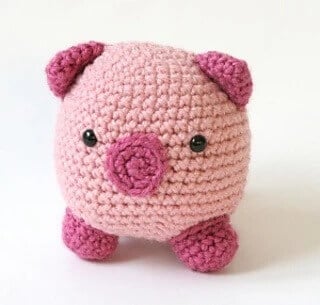
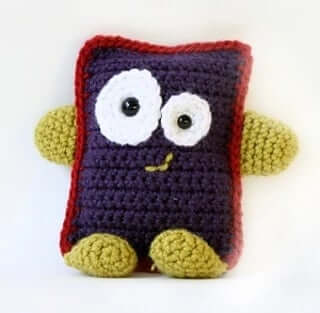
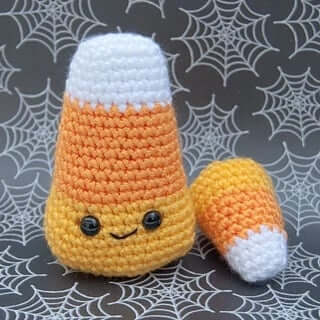
We thought it was time to make a post all about amigurumi, what it is and how to get started! We wanted to help out the crocheters or knitters and anyone else who wants to start making adorable plushies. In this blog post we will go into a bit of the history of the craft, what tools are needed to make amigurumis, as well as kits and some of our favorite yarns perfect for this craft.
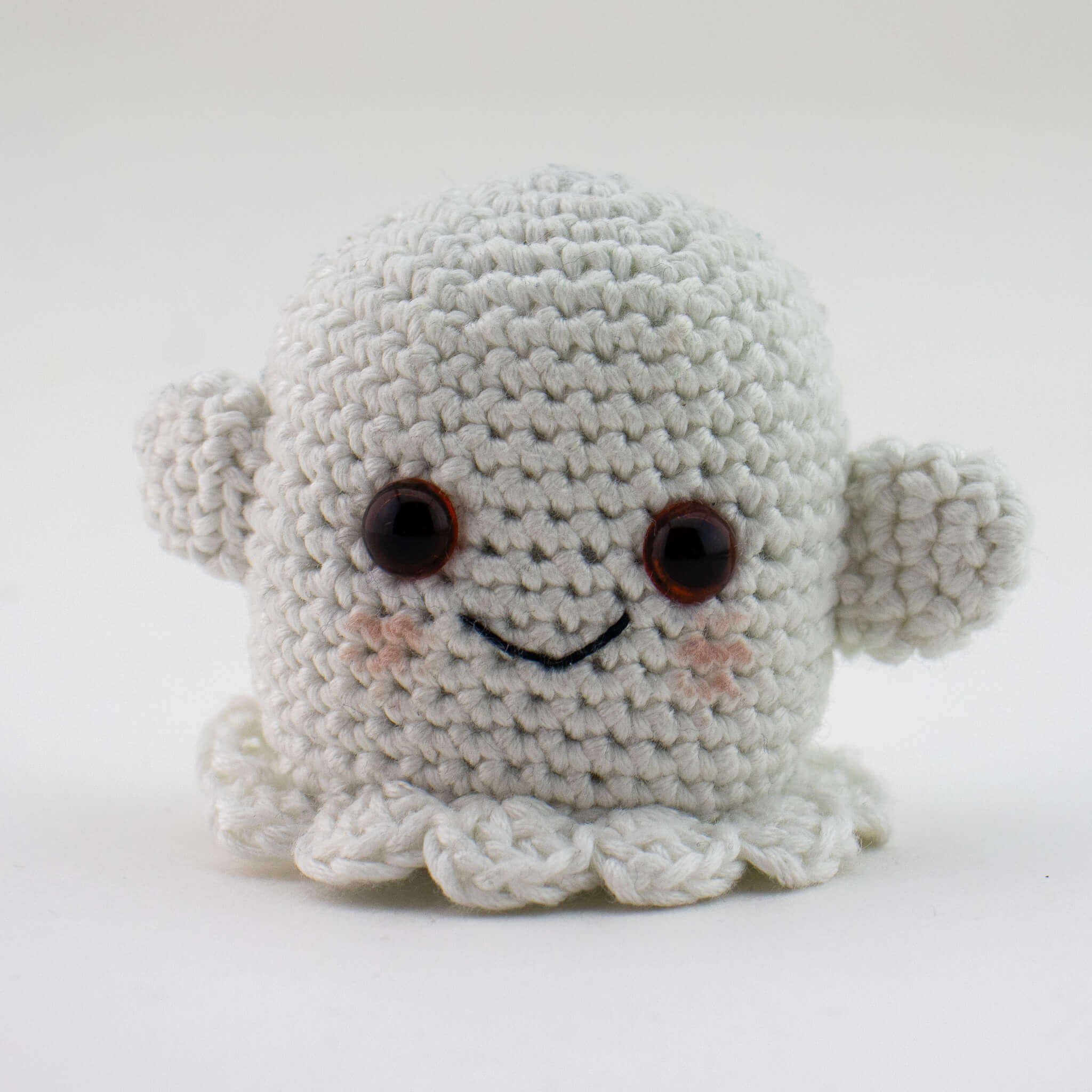
History
Amigurumi, which is derived from the Japanese words "ami", meaning crocheted or knitted, and "nuigurumi", meaning stuffed doll. Along with its name, this craft has roots in Japanese culture. Japan has a long history in traditional crafts including dolls and toys, such as daruma dolls and temari. The origins of this craft is difficult to place as it was not well documented but there are many theories, one of the theories being that the art of crocheting dolls came from China because they have records of knitting dolls dated back to the Shang dynasty. The craft that we know and love today became popular during the 1980s during the kawaii movement.
Tools needed, with or without a kit:
1) A crochet hook or knitting needles
Most kits and patterns will call for a 2.5mm crochet hook, though we suggest getting a variety of hooks from 2mm to 4mm. If you use the letter size, it would be hooks B-G.
Knitting amigurumi patterns are not as common but we still have information for the average knitting needle size for the craft. Again, we suggest getting a variety of needles but the main size will be size 4 or 5.
Some kits will come with their own hooks or needles, but some will just come with the pattern, yarn, and eyes. We also like our own needles or hooks for comfort purposes.
2) Yarn
Most patterns will call for DK or Sport weight yarn depending on the size of the toy. We carry two yarns that we love for amigurumi, Omega Sinfonia, a sport weight, and Sirdar happy cotton, a DK weight. Some patterns will call for a different weight so be sure to pay attention to what the pattern calls for. Most kits will have the yarn needed to make your plushy.
3) Stitch Markers
We suggest getting your own stitch markers because a lot of kits will not come with stitch markers and we understand that crocheting in the round can make counting very difficult. Trying to keep up with the number of stitches and which round you're on, we say make it easy and get the stitch marker. We have stitch markers for both knit and crochet, but in a pinch you can use a bobby pin or a piece of scrap yarn.
4) Stitch Counter
Along with the stitch marker, a stitch counter is a great tool to have when making plushies to keep count of what round you're on. It is especially useful when you have to set your project down. We have a few different stitch counters that we carry.
5) Safety Eyes
We have found that most kits will come with safety eyes but if you're making an amigurumi through a pattern, it is best to have your own and a good variety of sizes! We recently added safety eyes to our store.
Now that we've gone over the tools needed, let's go over the ways to get started.
Beginner Kits
One of the ways we suggest is to get a beginner amigurumi kit, preferable one that has everything you would need to make a cute toy. We have a variety of beginner crochet kits to choose from.
We do carry a knitting kit from Hardicraft, it is an intermediate kit and you would need your own knitting needles.
Patterns
If you don't want to get a kit there are other ways to get started, there are plenty of beginner patterns out there. Ravelry is a wonderful website to use for crocheters, knitters, and weavers, this website contains many patterns some that are free.